


 24/7 Answering Service
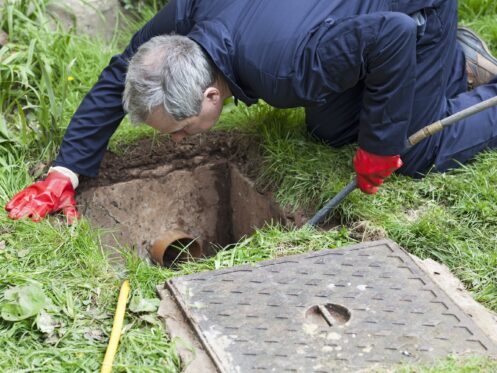
A slow drain can feel like a minor nuisance until it starts happening in more than one place. You might clear a sink and assume the problem is gone, only to notice gurgling in the shower or water rising in the toilet later that week. The challenge is knowing when you are dealing with a simple clog and when the issue runs deeper in your plumbing system. At Patterson Plumbing in Greenville, TX, we help homeowners sort through these warning signs before a small drainage problem turns into a messy backup.
How a Typical Slow Drain Behaves
A standard slow drain usually affects one fixture at a time. You might see water linger in the bathroom sink after brushing your teeth, or notice the shower pooling around your feet. These problems often trace back to a buildup close to the drain opening. Soap residue, hair, food particles, and grease collect inside the trap or the branch line that serves that fixture.
When the blockage sits near the surface, symptoms stay isolated. The toilet flushes normally. The kitchen sink drains fine. Laundry runs without trouble. You can often clear these clogs with basic methods such as removing debris from the stopper or using a manual auger designed for household use.
The important detail is location. A localized clog behaves predictably. It slows one drain and leaves the rest of the house unaffected. Once cleared, the problem resolves immediately without triggering new issues elsewhere.
What Changes When the Sewer Line Is Involved
A sewer line problem feels different because it affects the entire system rather than a single fixture. Your home’s main sewer line carries wastewater from every drain to the municipal connection or septic system. When that main line narrows or blocks, wastewater has nowhere to go.
You may first notice water backing up in the lowest drain in your home, often a basement floor drain or a ground-level shower. Toilets might bubble when you run the sink. Flushing one fixture could cause water to rise in another. These cross-reactions signal that the restriction sits deeper in the plumbing network.
Unlike a simple clog near a sink, a main line issue rarely clears with household tools. The blockage might stem from tree root intrusion, pipe collapse, heavy scale buildup, or years of accumulated debris. The scale of the problem usually requires professional equipment and inspection to diagnose accurately.
Pay Attention to Timing and Patterns
The timing of symptoms often reveals the difference between a drain clog and a sewer line concern. If a sink drains slowly all day, regardless of what else you use, the problem likely sits close to that fixture. If drains work fine until someone runs the washing machine or takes a long shower, the added volume may overwhelm a partially blocked main line.
Listen for sounds. Gurgling from a toilet after you empty a bathtub can signal pressure changes inside the sewer line. Notice odors as well. A persistent sewage smell near multiple drains can point to a larger restriction or venting problem.
Patterns matter. A clog that returns repeatedly in different areas of the home often indicates a deeper issue. If you clear one drain and another slows days later, the restriction may sit farther down the line, where debris collects before fully blocking the pipe.
When to Stop DIY Efforts
Clearing a basic clog can be manageable with simple tools. If you have tried a plunger or a small drain auger and the problem remains confined to one drain, you may continue troubleshooting carefully. Once multiple fixtures show signs of slow drainage or backup, stop using water in the home until you understand the cause.
Continuing to run appliances or flush toilets during a main line blockage can force wastewater to back up into living spaces. That risk increases with each gallon that has nowhere to flow. A sewer inspection using a camera allows a technician to see the interior condition of the pipe and identify the exact obstruction.
Early intervention often limits damage. Waiting until a full backup occurs can lead to floor damage, contamination, and extensive cleanup. Knowing when the issue exceeds a simple clog protects both your plumbing system and your home.
Don’t Ignore Your Drains
A slow drain usually points to buildup near a single fixture, while widespread backups, gurgling toilets, or yard changes often signal a main sewer line issue. The difference shows up in patterns, timing, and how many drains react at once. If symptoms suggest something deeper than a surface clog, professional inspection can clarify the condition of your pipes and guide the right repair. We also provide sewer camera inspections, hydro jetting, drain cleaning, and full sewer line repair when needed.
Schedule a sewer evaluation with Patterson Plumbing today and get clear answers.

