


 24/7 Answering Service
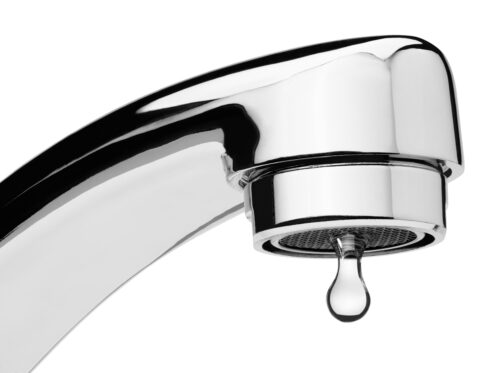
A common problem during cold weather is low water pressure. When it drops below 40 PSI, it can have a significant impact on your quality of life. Let’s explore the top reasons low water pressure occurs during colder weather and what you can do about it.
Clogged Aerators
Plumbing fixtures may contract during the cold weather. That can reveal issues related to limescale and other buildup that weren’t apparent during warmer weather.
Aerator Cleaning and Replacement
Clean your faucet aerators and showerheads at least twice a year. You may need to clean them every three months if you have hard water. Cleaning them is as simple as soaking them in a white vinegar and water solution. Soak them for at least 30 minutes and as long as overnight. Then, rinse and reinstall them. Faucet aerators require replacement every two to five years, depending on usage and water hardness. Replace showerhead filters at least annually and replace the fixtures themselves at least every 10 years.
Pressure Regulator Service
If your home has a water pressure regulator (PRV), it can be the culprit as well. PRVs generally need replacement every 10 to 15 years. In homes with hard water, they can fail within as little as five years.
Low Hot Water Flow
If only your hot water is coming out as a tiny trickle, the problem is likely your water heater rather than the actual water pressure in your pipes. During the winter, the water coming into your home from the street is much colder. This forces your heater to work a lot harder to get it up to temperature. This extra strain makes it easy to notice issues, such as “scale” or sediment. This is basically a layer of minerals and dirt that settles at the bottom of the tank over time.
Annual Water Heater Maintenance
A common mistake homeowners make is not scheduling water heater service until there’s a problem. You can save money and avoid issues through annual maintenance. A plumber will flush the tank, which will remove all the accumulated sediment. Maintenance is also an opportunity to check valves, anode rods, and filters and replace them as needed.
Water Heater Insulation
All water heaters should have insulation on any exposed pipe that carries hot water. Check the insulation regularly and replace it at the earliest signs of deterioration. If you have an electric water heater, you may benefit from additional insulation. Consider adding a water heater jacket and an insulated base.
Scale Protection
If you have hard water, you may need to flush your water heater multiple times a year. Installing a local anti-scale device will help to limit scale accumulation in your tank. If you have very hard water, it can cause problems with your pipes, fixtures, and other water-using appliances. In that scenario, you’re better off installing a point-of-entry water softener. That system will remove most of the calcium before the water enters your home.
Frozen Pipes
If your pipes get cold enough, the water in them can turn to ice. That will lower water pressure, eventually to a trickle, and can even lead to burst pipes.
Pipe Insulation
All exposed pipes near exterior walls should have pipe insulation. Check that insulation every fall, and replace it at the first signs of deterioration.
Pipe Heat Cables
If you have pipes that are very prone to freezing, heat cables will work better than insulation. These are electric cables that provide just enough heat to keep the pipe above freezing.
In the Meantime…
If you’re worried your pipes will freeze, open the cabinet doors beneath sinks. This will allow the home’s heating to circulate around the pipes. If you suspect your pipes have frozen, turn the knob to open the tap slightly. That will help to relieve pressure in the tank. You should then call a plumber, who can safely warm your pipes to prevent ruptures.
Hidden Leaks
Hidden leaks can occur at any time of the year but can be more prevalent during the cold weather. Signs can include low water pressure, high water bills, water damage, a soggy landscape, and foundation problems.
Leak Detection and Repair
If you suspect a hidden leak, it’s important to call a plumber right away. A plumber can use advanced means, such as thermal imaging, to find leaks quickly and accurately. Professional pipe repair or replacement will then stop the leakage and restore the water pressure.
Expert Plumbing Solutions Throughout Greenville and the Surrounding Areas
Patterson Plumbing is a locally owned and operated plumbing company based in Greenville, TX. We have more than 100 years of experience diagnosing and correcting low water pressure. To schedule an appointment, call today or contact us online.