


 24/7 Answering Service
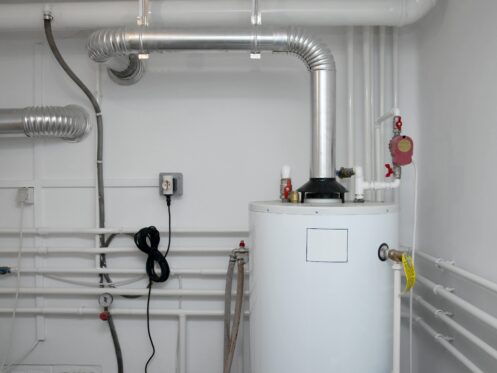
Cold mornings are when water heaters show their weak spots. You turn the handle, wait longer than usual, and the water never feels quite as hot. We see this a lot once temperatures drop. The heater isn’t broken most of the time. It’s just working harder than it does the rest of the year, especially when it sits in a garage or utility room that feels like a refrigerator. Here is how to improve water heater efficiency during the colder months.
Why Water Heaters Lose Efficiency in Cold Weather
In winter, the water coming into your home starts much colder. That means the heater has to raise the temperature further before it reaches the tap. We can usually feel this at the unit itself. The tank stays hot longer, or the tankless unit runs harder when demand kicks in.
Pipes matter too. We often find bare copper or PEX running through unheated spaces. You can feel the chill on those lines just by touching them. As hot water moves through cold pipes, heat bleeds off before it reaches the faucet. That’s why the shower feels uneven or takes longer to warm up.
Set the Temperature to a Practical Level
A lot of homeowners bump the temperature up when winter hits. It feels like a quick fix, but it usually ends up pushing bills higher. Around 120 degrees works well in most houses. Anything hotter increases energy use and raises the risk of burns at sinks and tubs.
If the water still feels inconsistent at that setting, something else is going on. We’d start checking elements, thermostats, or flow issues rather than cranking the dial higher. In homes with kids or older adults, mixing valves can help keep temperatures steady without the risk of scalding.
Insulate the Tank and Hot Water Lines
Heat loss shows up fast when the heater sits in a cold space. We see it all the time in garages where the door seals let air leak. Wrapping exposed hot water lines helps more than people expect. You get hot water faster, and you don’t have to run the tap as long.
Tank heaters can benefit from insulation too, especially older models. A jacket helps the unit hold heat longer, so it doesn’t fire as often. That steady temperature reduces wear and keeps recovery times more predictable.
Flush Sediment From Traditional Tank Water Heaters
When we drain tanks in winter, the water often comes out cloudy or gritty. That sediment settles to the bottom, blocking heat transfer into the water. The burner or elements run longer, trying to push heat through that layer.
Rumbling or popping sounds usually mean sediment is already there. Winter makes the problem worse because the heater is already working harder. Flushing the tank clears that buildup and helps the unit heat water more evenly again.
Maintain Your Tankless Water Heater for Winter Performance
Tankless water heaters still need attention when temperatures drop. Mineral scale builds up inside the heat exchanger over time. We can feel restricted flow at the fixtures when that happens, along with temperature swings.
Descaling clears those passages so heat transfers properly. That matters more in winter because the unit has to raise the water temperature much further. Clean internals help the heater respond faster when demand increases.
Reduce Hot Water Waste in Daily Habits
Less demand means less strain. Shorter showers, full dishwasher loads, and cold-water laundry all help. Small leaks matter too. A dripping hot-water faucet wastes energy every minute it runs, and winter heating costs make that waste more noticeable.
Long wait times for hot water point to other issues. We often see long pipe runs or uninsulated lines causing that delay. While you wait, both water and energy go down the drain.
Spacing out hot water use helps as well. Back-to-back showers followed by laundry can overwhelm a tank heater. If recovery feels slow, we’d check the dip tube or heating elements. For tankless units, the inlet screens and gas supply need to be clear and sized correctly.
Know When Repairs Make More Sense Than Adjustments
If hot water runs out faster than it used to, adjustments won’t fix worn parts. Older tanks struggle when elements weaken or corrosion builds inside. Tankless units show problems when scale or flow restrictions limit output. Rising bills, slow recovery, and uneven temperatures usually point to mechanical issues.
At Patterson Plumbing, we work on water heater repairs and plumbing issues throughout the Greenville area.

