24/7 Answering Service

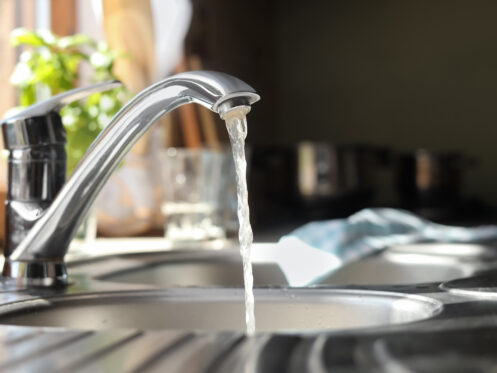
Water quality affects everything from your morning coffee to how your plumbing fixtures perform. If you’ve noticed unpleasant tastes, lingering odors, or sediment in your water, you may be wondering whether whole-home filtration is worth the investment. North Texas homeowners experience varying water conditions depending on their water source and plumbing system. At Patterson Plumbing, we help homeowners understand their water treatment options and choose solutions that address their concerns.
What Is Whole-Home Water Filtration?
A whole-home water filtration system treats water as it enters your house through the main supply line. Unlike a single faucet filter, this equipment provides filtered water to multiple fixtures throughout your property.
Different filtration systems target different substances. Depending on the equipment, they may reduce sediment, chlorine-related tastes, odors, or other specific contaminants.
Our team can help determine which filtration technology fits your household’s water conditions and daily needs.
Common Water Quality Concerns in North Texas
North Texas water supplies contain naturally occurring minerals and may use disinfectants during treatment. Although municipal water is treated to meet drinking water standards, homeowners sometimes notice characteristics they would prefer to improve.
Common water quality concerns include:
-
Unpleasant chlorine tastes or odors
-
Visible sediment or particles
-
Mineral deposits around faucets
-
Spots on dishes and glassware
-
Unusual water discoloration
-
Changes in water taste
Not every concern requires whole-home filtration. Identifying the underlying cause is important before investing in treatment equipment.
Benefits of Whole-Home Water Filtration
Improved Water Taste and Odor
One reason homeowners consider filtration is to improve their water’s taste and smell. Certain filtration technologies can reduce substances responsible for unpleasant odors or flavors.
Activated carbon filters, for example, can address specific chlorine-related taste concerns. However, their effectiveness depends on the filter design and the disinfectant present.
A properly selected system can make drinking and cooking water more enjoyable without relying exclusively on bottled water.
Filtration Throughout Your Home
Point-of-use filters typically treat water at one faucet. Whole-home systems provide treatment at the main water supply, allowing multiple fixtures to benefit.
This can be useful for households wanting consistent filtration at bathroom sinks, showers, kitchen faucets, and other locations.
However, some contaminants require specialized treatment. It’s important to choose equipment designed for the substances you want to reduce.
Reduced Sediment in Plumbing Fixtures
Sediment can collect inside faucet aerators, showerheads, and certain plumbing components. Depending on your water conditions, sediment filtration can help reduce the particles traveling through your plumbing.
This may also help limit sediment accumulation in appliances that use household water.
If you’re experiencing recurring plumbing problems, our professional plumbing services can help determine whether water quality or another issue is contributing.
Does Whole-Home Filtration Remove Hard Water Minerals?
One common misunderstanding is that water filtration and water softening accomplish the same thing.
Whole-home filtration generally targets specific particles, chemicals, tastes, or odors. A water softener primarily addresses calcium and magnesium minerals responsible for hardness.
Hard water can contribute to scale buildup, spotted dishes, and mineral deposits inside plumbing equipment.
If mineral buildup is your main concern, a water softener may be more appropriate than a conventional filtration system.
Some homes benefit from combining softening and filtration to address separate problems. A professional evaluation helps determine whether either system is necessary.
How Much Maintenance Does a Filtration System Need?
Whole-home filtration requires ongoing maintenance to perform properly. Most systems use replaceable cartridges or filtration media that eventually lose effectiveness.
Maintenance requirements depend on the equipment, water quality, and household consumption.
Homeowners should consider filter replacement costs, available installation space, and ongoing service before choosing a system.
Following manufacturer recommendations helps maintain performance and prevents neglected filters from restricting water flow.
Is Whole-Home Water Filtration Worth the Cost?
The value of filtration depends on your household’s specific concerns.
If your municipal water already meets safety standards and you’re satisfied with its taste and appearance, additional filtration may not be necessary.
However, filtration may be worthwhile if you regularly experience unwanted tastes, odors, or sediment that appropriate equipment can address.
Consider your household’s water consumption, maintenance budget, and treatment goals. Reviewing your utility’s water quality report and arranging testing when appropriate can help you make an informed decision.
Find the Right Water Treatment Solution With Patterson Plumbing
Choosing water treatment equipment should begin with understanding your home’s water conditions. Purchasing an expensive system without identifying the problem could leave you with equipment that doesn’t meet your needs.
At Patterson Plumbing, we provide water filtration services in Greenville, TX and serve homeowners throughout surrounding North Texas communities. Our plumbing professionals can explain filtration options and help you select equipment suited to your property.
Contact Patterson Plumbing today to discuss whole-home water filtration and find out whether it’s the right investment for your home.