


 24/7 Answering Service
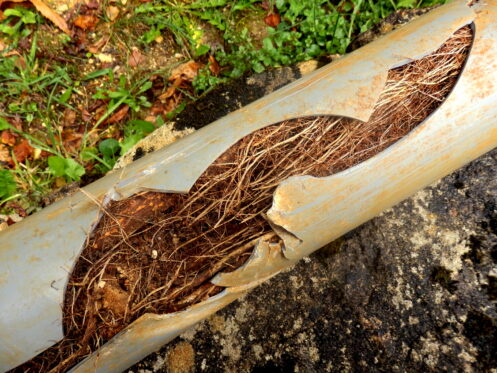
Tree roots are a common cause of sewer line problems, particularly when underground pipes have cracks, loose connections, or other vulnerable areas. Once roots enter a sewer line, they can grow and collect debris, eventually restricting wastewater flow and causing recurring backups.
Understanding why root intrusion happens can help Greenville homeowners recognize a developing sewer problem and address it before significant pipe damage or a sewage backup occurs.
Why Do Tree Roots Grow Into Sewer Lines?
Tree roots naturally search for water and nutrients in the surrounding soil. A sewer line can provide both, especially when moisture escapes through a small crack or damaged connection.
Roots typically take advantage of an existing opening rather than entering a completely intact pipe. Small roots can work their way through cracks or joints and continue growing inside the line.
Over time, these roots may form a dense obstruction. Toilet paper, grease, waste, and other debris can become caught in the roots, making it increasingly difficult for wastewater to move through the pipe.
What Are the Signs of Tree Roots in a Sewer Line?
Early root intrusion may resemble an ordinary clog. As the obstruction becomes larger, however, problems may begin appearing throughout the home’s plumbing system.
A clog affecting only one sink or tub is often located near that particular fixture. When multiple fixtures develop drainage problems at the same time, the issue may be deeper in the main sewer line.
Common signs of a sewer line obstruction include:
- Multiple drains running slowly
- Recurring clogs after previous drain cleaning
- Gurgling sounds coming from toilets or drains
- Water backing up into tubs or showers
- Toilets bubbling when another fixture drains
- Sewage odors coming from drains
- Wet or unusually green areas developing in the yard
These symptoms do not automatically mean tree roots are responsible. A professional diagnosis is necessary to determine what is actually blocking or damaging the sewer line.
How Are Tree Roots Found?
Because sewer pipes are underground, identifying root intrusion usually requires looking inside the line. A sewer camera inspection allows a plumber to examine the interior of the pipe and locate obstructions.
The inspection can also provide important information about the pipe itself. Roots may have entered through a crack, separated connection, or deteriorated section of piping. Understanding the condition of the sewer line helps determine whether clearing the roots will be enough or whether repairs should also be considered.
Without addressing the underlying opening, roots may eventually grow back into the pipe.
How Do Plumbers Remove Roots From Sewer Lines?
The appropriate solution depends on the severity of the root growth and the condition of the sewer pipe.
Professional rooter service may be used to cut through roots and other material restricting the line. Clearing the obstruction can restore wastewater flow and provide relief from slow drains and backups.
Hydro jetting may also be appropriate for certain sewer lines. This method uses high-pressure water to clear buildup and debris from inside the pipe. Before using hydro jetting, the condition of the sewer line should be evaluated to determine whether it can safely handle the process.
Simply pouring chemical drain cleaner into your plumbing is not an effective way to diagnose or repair root intrusion. Even when a temporary improvement occurs, the opening that allowed the roots into the sewer line remains.
When Does a Sewer Line Need Repair?
Removing tree roots addresses the obstruction, but it does not repair structural damage to the pipe.
If an inspection identifies cracks, broken connections, collapsed areas, or significant deterioration, sewer line repair may be necessary. Repairing the damaged section helps address the entry point that allowed roots to grow into the line.
The right repair depends on factors such as the pipe’s material, age, location, and overall condition. A localized problem may only require attention to one section, while extensive deterioration could require a larger repair or replacement.
Can You Prevent Tree Roots From Entering Sewer Lines?
You cannot prevent trees from naturally growing roots, but you can take steps to reduce your risk of an unexpected sewer problem.
Homeowners can help protect their sewer lines by:
- Addressing recurring drain problems instead of repeatedly clearing them
- Scheduling an inspection when several fixtures drain slowly
- Knowing where sewer lines run before planting large trees
- Watching for unusual wet areas or changes in the yard
- Having older sewer lines evaluated when problems become frequent
Catching pipe deterioration early may allow you to address vulnerable areas before root growth creates a major obstruction.
Get Help With Tree Roots in Your Sewer Line
Tree roots can turn a small opening in a sewer pipe into a recurring plumbing problem. Clearing the roots can restore drainage, but identifying and repairing the underlying pipe damage is important for a longer-lasting solution.
If you’re experiencing repeated clogs, multiple slow drains, or other signs of a sewer line problem, contact Patterson Plumbing. Our team can identify the source of the problem and recommend the appropriate sewer service for your Greenville, TX, home.