


 24/7 Answering Service
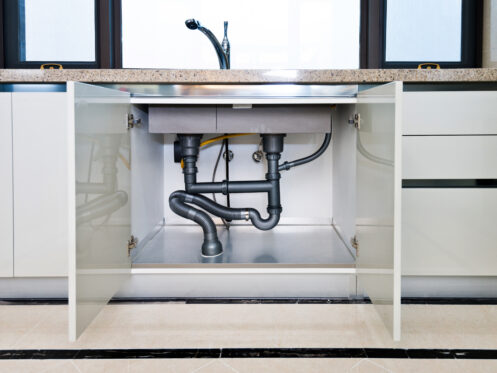
A backed-up kitchen sink disrupts your routine and shows there’s a problem in your plumbing system. At Patterson Plumbing in Greenville, TX, we help homeowners identify the cause and restore proper drainage right away. Kitchen sink backups rarely happen without warning. Understanding the common causes of sink backups allows you to act early and avoid costly damage.
Grease Buildup Blocks Your Drains
Grease is one of the most common causes of kitchen sink backups. Many homeowners pour cooking oil, butter, or food grease down the drain. These substances flow smoothly but then harden as they cool inside the pipes. Over time, they form a thick coating that restricts water flow.
As grease collects, it traps food particles and debris. This buildup narrows the pipe and slows drainage. Eventually, water has nowhere to go and backs up into your sink.
You can prevent this issue by disposing of grease in a sealed container instead of your drain. Even small amounts can build up and create a blockage over time.
Food Waste Overloads the System
Your kitchen drain is not designed to handle all types of food waste. Even if you have a garbage disposal, certain foods can cause problems. Fibrous vegetables, coffee grounds, eggshells, and starchy foods can stick to the pipe walls or clump together.
When food waste accumulates, it forms a partial blockage. Water may still drain slowly at first, but the problem worsens as more debris collects. Eventually, the drain clogs completely.
Using your disposal properly helps reduce risks. Run cold water while operating it and avoid overloading it with large amounts of waste at once. Make sure to run your faucet as recommended. Our faucet services keep your system running smoothly.
Soap Scum and Residue Build Up
Soap residue contributes to kitchen sink backups more than many homeowners realize. Dish soap often contains fats and oils. When combined with minerals in your water, it can leave behind a sticky film inside pipes.
This residue builds up gradually and reduces pipe diameter. It also creates a surface where grease and food particles can stick more easily. Over time, this combination can lead to a stubborn clog. Regular cleaning and flushing your drain with hot water can help reduce soap buildup.
Foreign Objects Cause Immediate Blockages
Sometimes, the cause of a backup is simple. A foreign object may have fallen into the drain. Small utensils, bottle caps, food packaging, or paper towels can quickly block the pipe.
Unlike gradual buildup, these blockages often cause sudden backups. Water may stop draining almost immediately after the object enters the pipes. If you suspect a foreign object is in the sink, stop using the sink. Running water can cause the item to move deeper down the pipe, making removal more difficult.
Pipe Damage Restricts Flow
Damaged pipes can also cause recurring backups. Cracks, corrosion, or misaligned joints can disrupt normal water flow. In some cases, sections of pipe may collapse slightly, creating a point where debris collects.
Older plumbing systems face a higher risk of damage. Materials break down over time and may not meet modern water-use demands. A professional inspection can identify hidden damage and determine the best solution.
Clogs in the Main Line Affect Your Sink
Your kitchen sink connects to your home’s main sewer line. If a blockage forms in the line, it can affect multiple drains. You may notice backups in your sink along with slow drainage in other fixtures.
Mainline clogs often result from tree roots, heavy debris, or long-term buildup. These issues require professional tools and expertise to resolve. If you have multiple drains with drainage issues, contact a professional right away. Delaying service can lead to more extensive damage.
Improper Sink and Faucet Installation
Improper installation can contribute to recurring backups. If pipes are misaligned or don’t have proper slope, water may not drain efficiently. Poor connections can also allow debris to catch and accumulate.
Faucet issues can also play a role. Leaks or inconsistent water flow may lead to improper drainage patterns. Addressing these problems ensures your system works as intended. If you suspect installation issues, professional service can resolve the issue and improve performance.
When to Call a Professional
Some clogs respond to simple solutions, but many require professional plumber attention. If your sink backs up repeatedly, drains slowly, or affects other fixtures, the issue likely extends beyond a minor blockage.
At Patterson Plumbing, we offer a wide range of plumbing solutions, including installation, maintenance, and repairs. Our team uses specialized tools to clear clogs, inspect pipes, and restore proper drainage.
Contact Patterson Plumbing right away to schedule drain services in Greenville, TX